

led lighted salon mirror full length
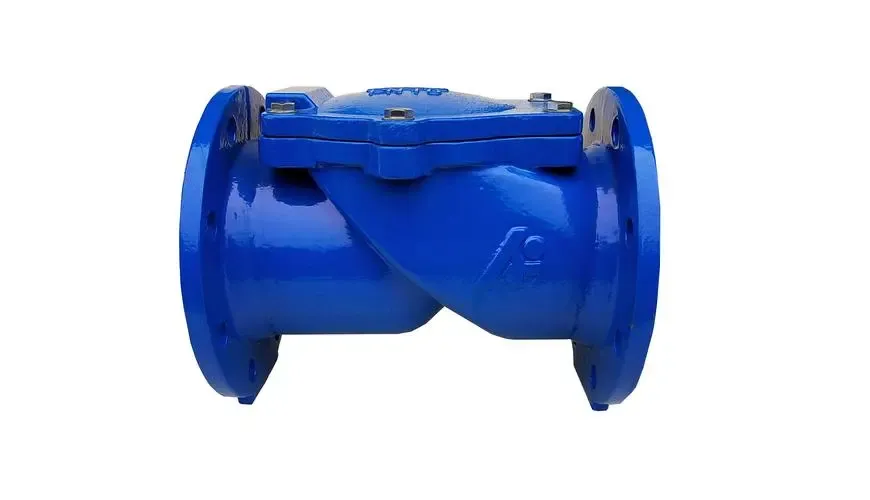
Understanding Pressure Control Valve Prices A Comprehensive Guide Pressure control valves are vital components in various industrial applications, ensuring that systems operate safely and efficiently. These valves regulate the pressure of liquids and gases, preventing equipment damage and maintaining operational integrity. However, when considering the implementation of pressure control valves in your systems, one of the foremost aspects to evaluate is their price. Understanding the factors that influence pressure control valve pricing can help you make informed purchasing decisions. Factors Influencing Pressure Control Valve Prices 1. Type of Valve Pressure control valves come in various types, including direct-acting, pilot-operated, and electronic valves. Each type has unique features and benefits, influencing its cost. For example, electronic pressure control valves tend to be more expensive due to their advanced technology and capabilities, while basic mechanical valves are more budget-friendly. 2. Material Composition The materials used in manufacturing pressure control valves significantly impact their prices. Valves constructed from high-quality materials like stainless steel or specialized alloys are often pricier. These materials offer superior durability and resistance to corrosion and high temperatures, making them ideal for demanding applications. 3. Size and Specifications The size of the valve, measured in terms of its nominal diameter and pressure rating, is another critical factor. Larger valves capable of handling higher pressures typically cost more. Additionally, valves designed for specific applications, such as those with unique pressure ratings or flow characteristics, may also come at a premium. 4. Brand and Manufacturer The reputation and reliability of the manufacturer can affect the price of pressure control valves. Well-established brands with a history of high-quality products may charge more due to their trusted reputation. However, investing in reputable brands often pays off in terms of performance and longevity. pressure control valve price 5. Customization and Additional Features Custom valves that require special designs or configurations usually come at a higher cost. Additional features such as advanced control systems, integrated sensors, and feedback mechanisms can also increase the price. Organizations should assess their needs carefully to avoid overpaying for unnecessary features. 6. Market Dynamics Economic factors such as supply chain issues, raw material costs, and global demand can influence pressure control valve prices. For instance, fluctuations in the prices of steel or other essential materials can lead to price adjustments . Furthermore, regional market conditions might cause variations in pricing across different geographical areas. Average Price Ranges While prices for pressure control valves can vary widely based on the factors mentioned above, it's helpful to provide a general idea of what to expect. Basic mechanical pressure control valves can start as low as $150, whereas more complex electronic valves might range from $500 to over $2,000. Custom or specialized valves can exceed these ranges, especially for high-demand industrial applications. Making an Informed Purchase When considering the price of pressure control valves, it's essential not to base your decision solely on cost. Evaluate the total cost of ownership, which includes installation, maintenance, and potential downtime costs. It’s wise to consult with industry experts or suppliers to find the right balance between price and performance that meets your operational needs. In conclusion, pressure control valve prices are influenced by multiple factors, including type, material, size, brand, and additional features. By understanding these elements, you can make more informed purchasing decisions that ensure the efficiency and safety of your systems without compromising your budget. Investing in quality pressure control valves is essential for long-term operational success, so take the time to research and choose wisely.
about
led lighted salon mirror full length
Understanding the Metal Marking Gauge A Essential Tool for Precision Marking In the world of metalworking and carpentry, precision is paramount. Every cut, every joint, and every assembly must be executed with an exceptional degree of accuracy to ensure the final product meets the desired specifications. One tool that stands out in aiding precision marking is the metal marking gauge. This tool is an essential instrument for any craftsman, metalworker, or DIY enthusiast who values accuracy and quality in their work. In this article, we will explore what a metal marking gauge is, its components, uses, and why it is invaluable in the workshop. What is a Metal Marking Gauge? A metal marking gauge is a mechanical tool used primarily to scribe lines on metal, wood, or other materials, ensuring precise measurements and clean markings. Designed with functionality in mind, a marking gauge allows users to create consistent marks for cutting, drilling, or joining materials. Unlike ordinary pencils or pens that can smudge or fade, the lines created by a marking gauge are both precise and permanent, making them ideal for technical work. Components of a Metal Marking Gauge A typical metal marking gauge consists of several key components 1. Beam The beam serves as the main body of the gauge and usually is made of durable, corrosion-resistant metal. It features measurement markings that allow users to set the distance from the edge of the material accurately. 2. Pointer or Scribing Head At the end of the beam, the pointer or scribing head is either a sharp point or a blade that actually marks the material. This component is vital for achieving clean, straight lines. 3. Adjustment Mechanism Most metal marking gauges have an adjustment mechanism, such as a locking screw or clamp, allowing users to fix the beam's position after setting the desired measurement. 4. Base or Foot Some models feature a base that helps stabilize the tool against the material being marked, ensuring accuracy in line placement. Uses of a Metal Marking Gauge The metal marking gauge is incredibly versatile and can be used in various applications metal marking gauge - Metalworking In metal fabrication, precision is critical . A marking gauge is commonly employed to scribe lines for cuts, helping metalworkers achieve clean edges and accurate dimensions when fabricating components. - Woodworking While primarily designed for metal, marking gauges are also used in woodworking. They help ensure that joints and edges are aligned precisely, contributing to the overall quality of the final product. - Layout Work When laying out workpieces, a marking gauge allows for accurate placement of holes, notches, and other features that require meticulous attention to detail. - Drafting and Engineering In fields such as engineering and architecture, metal marking gauges help professionals create accurate technical drawings and layouts that are crucial for project success. Why Invest in a Metal Marking Gauge? Investing in a metal marking gauge is a wise decision for anyone involved in precision work. Here are a few reasons why 1. Accuracy The design of a metal marking gauge allows for high levels of precision, helping users achieve exact measurements that are essential for quality craftsmanship. 2. Durability Made from robust materials, metal marking gauges are built to last. They withstand the wear and tear of daily use, making them a reliable tool in any workshop. 3. Ease of Use Despite their precision, metal marking gauges are relatively straightforward to use. Once the desired measurement is set, users can quickly mark lines without the risk of errors common with traditional marking methods. 4. Versatility Suitable for multiple applications, a marking gauge can be used across various materials, adding to its value as a multi-purpose tool. Conclusion In summary, a metal marking gauge is an indispensable tool for anyone engaged in precision work. Its ability to produce accurate, clean marks makes it a favorite among metalworkers, woodworkers, and engineers alike. By understanding its components and uses, individuals can appreciate the vital role that this simple yet effective tool plays in achieving high-quality craftsmanship. Whether you are a seasoned professional or a novice, incorporating a metal marking gauge into your toolkit will undoubtedly enhance your accuracy and efficiency in your projects.
-

High quality industrial productsagement

High quality industrial products
View Details -

Meet the diverse needs of customers

Meet the diverse needs of customers
View Details -

Strict quality control

Strict quality control
View Details -

Top raw materials

Top raw materials
View Details -

Trusted supplier

Trusted supplier
View Details
Our application


news and information

Van cửa cổng hình vuông và ứng dụng của nó trong công nghiệp
Cửa van chặn hình vuông Giải pháp hiệu quả cho ngành công nghiệp Cửa van chặn hình vuông là một tron
Van nước mở hoặc đóng
Van nước Bật hay Tắt? Trong cuộc sống hàng ngày, van nước đóng vai trò cực kỳ quan trọng. Chúng khôn
Válvula de retenção SS
Válvula de Retenção SS Importância e Aplicações No mundo da engenharia e da mecânica, o uso de válvu
 English